

Overview
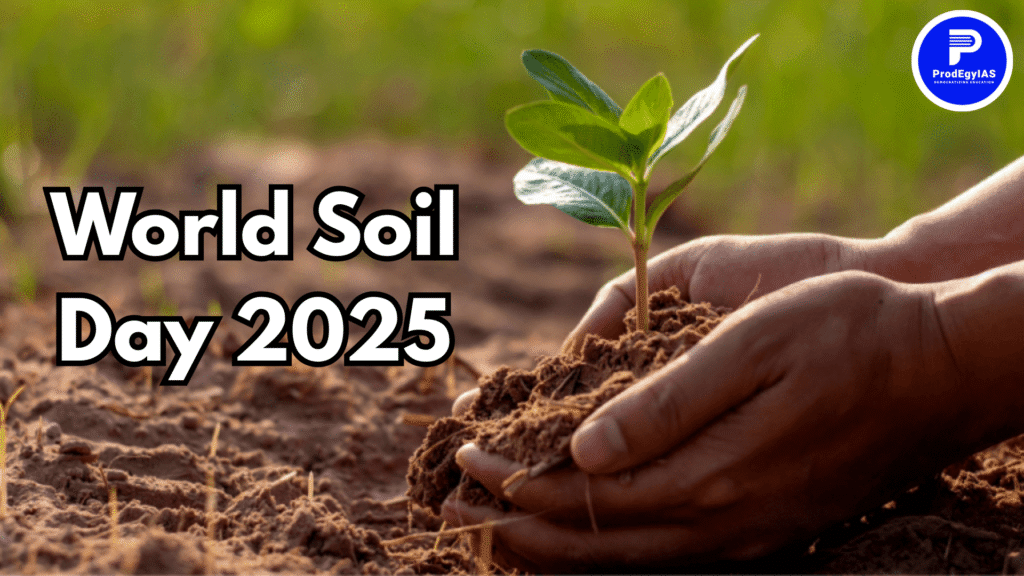
Every year on December 5, the world observes World Soil Day to raise awareness of the critical need to preserve and improve soil health. This day is more important than ever in 2025 because unsustainable farming methods, soil deterioration, and climate change endanger both environmental stability and food security. Soil is a living, breathing ecosystem that is vital to both human survival and the balance of the world. It is more than just a surface layer.
Why Soil Matters More in 2025
95% of food production depends on healthy soil, which also maintains biodiversity, filters water, cycles nutrients, and stores carbon. Soil is a vital resource that connects agriculture, climate resilience, and ecological balance as the world’s population and consumption increase.
In 2025, countries are realising more and more how important soil is in the fight against climate change due to its capacity to absorb significant amounts of carbon, which lowers global warming.
Global Soil Crisis: The 2025 Reality
Over one-third of Earth’s soils are deteriorated, according to UN estimates. The following factors made the situation worse: habitat loss and urban growth
- Chemical-intensive, intensive farming
- Erosion of soil due to climate-related disasters
- Decreased fertility and decreased organic matter
- Pollution from garbage, plastics, and industrial chemicals
These issues undermine natural ecosystems, raise the risk of drought, and endanger food productivity.
World Soil Day 2025 Theme
World Soil Day has a topic that promotes sustainable soil management each year. The 2025 theme, which reflects growing worldwide concerns about soil’s capacity to serve agriculture and climate goals, focusses on increasing soil organic carbon and restoring soil biodiversity.
The subject highlights how resilient food systems, healthy ecosystems, and sustainable development all depend on soil restoration.
How to Protect Soil Health: The Way Forward
In 2025, sustainable management techniques will be essential:
- Cover crops, less tilling, and natural fertilisers are all part of regenerative agriculture.
- Reviving microbial activity with organic farming
- Using agroforestry to increase moisture and stabilise soil
- Increasing soil carbon using biochar and composting
- Terracing and mulching are examples of erosion control techniques.
- Managing water resources responsibly to avoid salinity and nutrient loss
Governments need to encourage sustainable farming, improve soil monitoring systems, and advance soil conservation education.
UPSC General Studies Paper Preparation
| Topic | |
| UPSC Syllabus | UPSC Free Notes |
| UPSC Optional Subjects | Khushhali Solanki (AIR 61, UPSC CSE 2023) |
Public Administration Optional Exam Preparation
Topic | |
About the Author: Jyoti Verma