

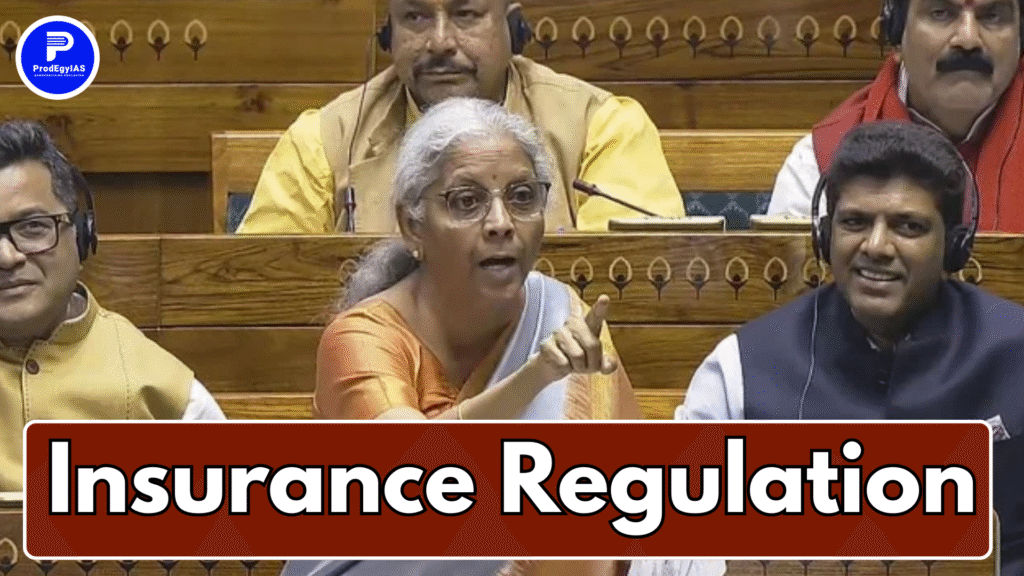
The Sabka Bima Sabki Raksha Bill 2025 is a major reform proposal that attempts to strengthen India’s insurance regulatory framework, protect policyholders’ interests, and expand insurance coverage. At a time when financial risks are rising and insurance coverage is still low, the Bill seeks to increase inclusiveness, stability, and confidence in the insurance sector.
Rationale The Reasons behind the Bill
Despite India’s insurance industry’s steady growth, issues like underinsurance, product fraud, slow claim payment, and inadequate grievance redress procedures persist. By improving regulatory monitoring and bolstering consumer protection, the Bill addresses these issues. By guaranteeing sufficient safeguards, it also seeks to get the sector ready for more competition and private and foreign involvement.
Crucial Provisions and Regulatory Modifications
The bill suggests giving the insurance regulator more authority to oversee and implement the law. These include tighter compliance requirements for insurers and intermediaries, more accountability in the handling of claims, and more supervision of market activities. Transparency in insurance terms, equitable disclosure, and safeguarding policyholders from dishonest business practices are important issues.
Promoting “insurance for all” by promoting increased coverage, especially among disadvantaged and neglected populations, is another significant goal of the bill. The Bill aims to lower the cost and increase the availability of insurance products by encouraging innovation and simplifying regulatory procedures.
The Significance and Challenges of Governance
From a governance perspective, the Bill signifies a shift towards proactive, risk-based regulation. In line with the good governance concepts of accountability, responsiveness, and transparency, it strikes a balance between sectoral expansion and consumer protection. But successful execution will be essential. The Bill’s impact will be determined by regulatory competency, coordination, and consumer knowledge; however, excessive compliance constraints must be avoided to minimise cost escalation.
UPSC General Studies Paper Preparation
| Topic | |
| UPSC Syllabus | UPSC Free Notes |
| UPSC Optional Subjects | Khushhali Solanki (AIR 61, UPSC CSE 2023) |
Public Administration Optional Exam Preparation
Topic | |
About the Author: Jyoti Verma