

Namdapha Tiger Reserve
Why in News: An elephant has been captured on camera in the Namdapha Tiger Reserve after a 12-year gap, raising hopes for conservation efforts.
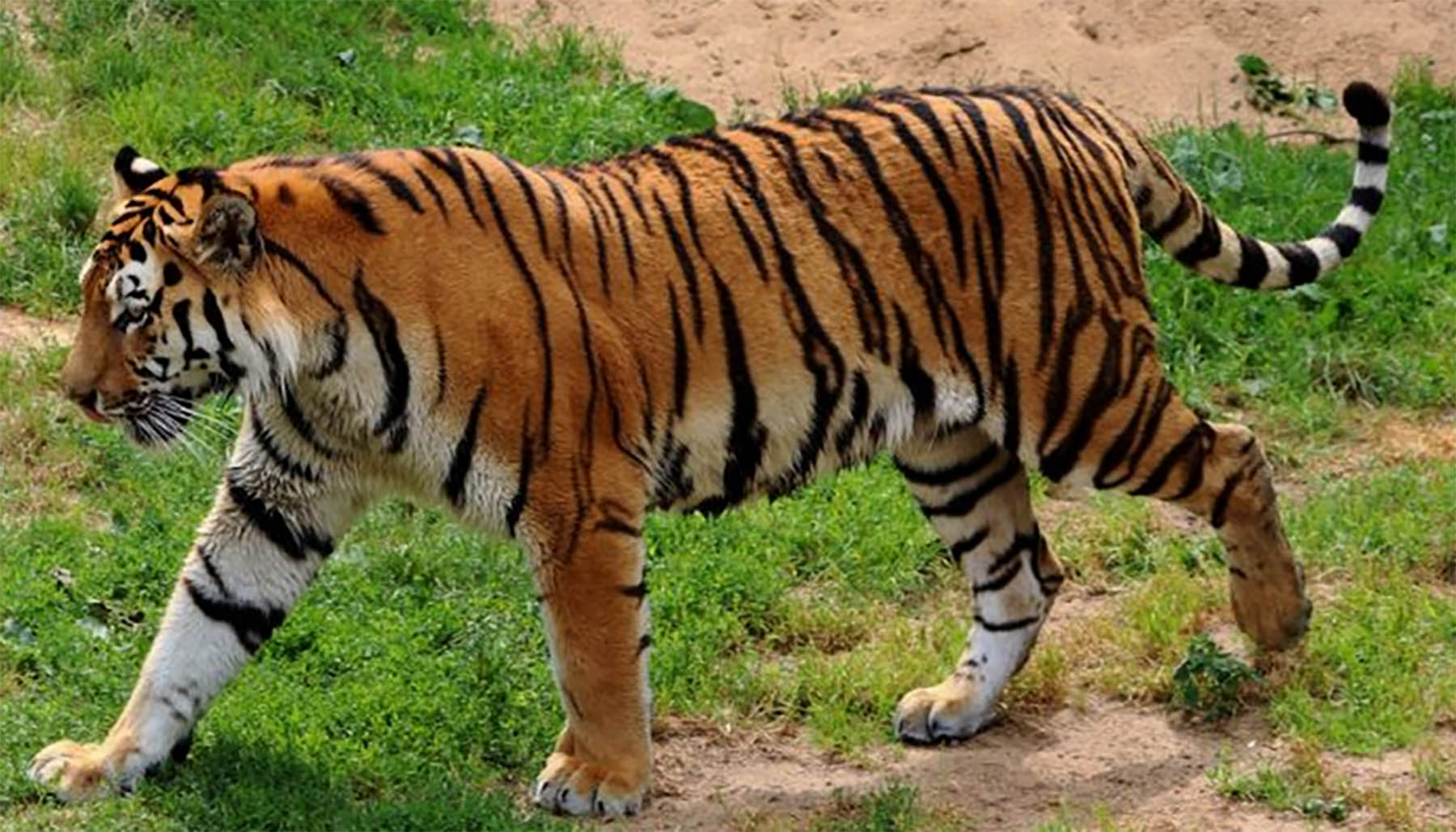
About Namdapha Tiger Reserve:
Location:
- Situated in the Changlang District of Arunachal Pradesh, bordered by Myanmar to the southeast.
- Shares a boundary with Kamlang Wildlife Sanctuary.
- Nestled between the Dapha Bum ridge of the Mishmi Hills and the Patkai Ranges.
Topography:
- Features a variety of forest types including Tropical Evergreen, Tropical Moist Deciduous, Moist Temperate, and Moist Alpine Scrub Forests.
- The Namdapha River flows through the reserve from north to south, giving it its name.
Flora:
- Unique species such as Pinus merkusii and Abies delavavi are exclusive to the park.
- Home to the rare and endangered Blue Vanda orchid, along with many other orchid species.
- Medicinal plants like Mishmi Teeta (Coptis teeta) are used by local tribes for treating various ailments.
Fauna:
- The critically endangered Namdapha flying squirrel (Biswamoyopterus biswasi) is endemic to the park.
- Four big cats are found in the park: leopard, snow leopard, tiger, and clouded leopard.
- Other species include elephants, Himalayan black bear, Himalayan sun bear, hoolock gibbon (the only ape species in India), slow loris, and various rare birds and butterflies.
Earth’s Magnetic Pole
Why in News: Scientists have recently unveiled a new model tracking the location of the magnetic north pole, showing that it has moved closer to Siberia compared to five years ago and continues to drift toward Russia.
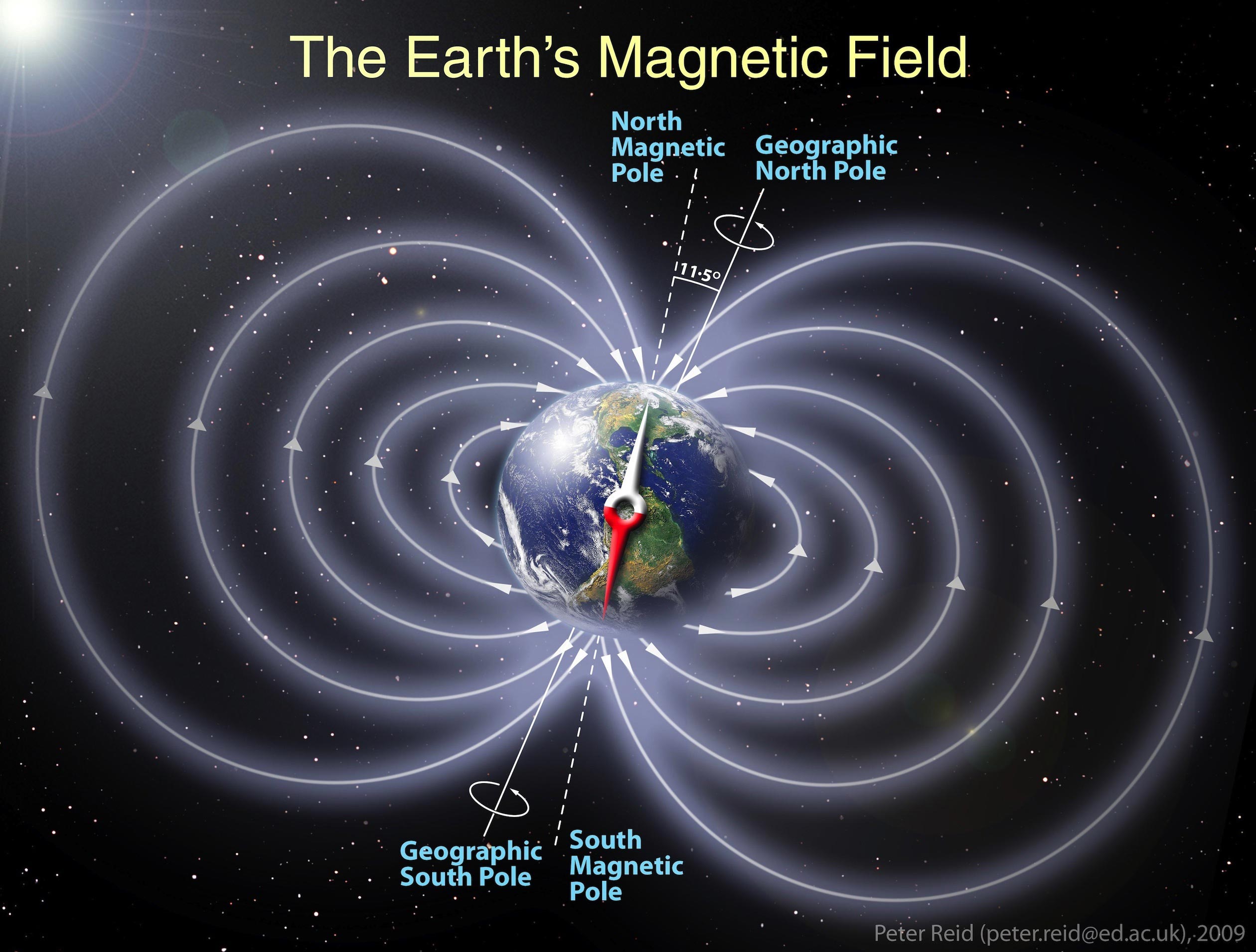
About the Earth’s Magnetic Poles:
- Dynamic Features: The Earth’s magnetic poles are driven by forces from the planet’s molten core.
- Location of Poles: These poles are the points on Earth’s surface where the magnetic field points vertically downward.
Shift of the Magnetic North Pole:
- Initial Location: Discovered in 1831 by explorer James Clark Ross near Canada’s Arctic islands.
- Constant Movement: Unlike the fixed geographic North Pole, the magnetic North Pole constantly shifts due to changes in Earth’s molten core.
- Recent Movement: Over the last century, the magnetic North Pole has moved over 400 kilometers towards Russia.
- Tracking the Shift: The movement is monitored using the World Magnetic Model (WMM), which is updated every five years for accurate navigation.
Causes of the Pole’s Shift:
- Core Fluid Dynamics: The movement of molten iron and nickel in Earth’s outer core creates fluid motions that generate the magnetic field and influence the pole’s location.
- Geomagnetic Anomalies: Changes in the magnetic field, like the weakening of the South Atlantic Anomaly, contribute to the pole’s movement.
- Magnetic Reversal Cycle: The movement of the pole may indicate long-term geomagnetic changes, as Earth’s magnetic field reverses every few hundred thousand years.
Earth’s Magnetic Field:
- Generation: The magnetic field is created by the movement of molten iron and nickel in the outer core.
- Magnetosphere: The field forms a protective shield against harmful solar radiation and cosmic rays by trapping charged particles in the Van Allen Belts.
- Solar Wind: Variations in solar wind can cause geomagnetic storms, impacting satellites and power grids.
Magnetic Reversal:
- Reversal Cycle: Earth’s magnetic field reverses polarity approximately every 200,000 to 300,000 years, though the last reversal occurred about 780,000 years ago.
Implications of the Pole’s Shift:
- Navigation Systems: The shift affects magnetic navigation systems in aviation and maritime operations, requiring updates to the World Magnetic Model.
- Animal Migration: Migratory species, such as birds and marine animals, rely on the magnetic field for navigation, and changes may disrupt their patterns.
- Communication and Satellites: The weakening magnetic field increases vulnerability to solar storms, potentially disrupting communication, GPS systems, and power grids.
- Scientific Research: The pole’s movement offers scientists insight into the geodynamo processes and long-term changes in the Earth’s magnetic field.
Lala Lajpat Rai
Why in News: The country celebrates the 160th birth anniversary of Lala Lajpat Rai, a prominent leader in India’s freedom movement, known for his unwavering resistance to British colonial rule.

About Lala Lajpat Rai:
Birth:
- Born on 28th January 1865 in Dhudike village (now part of Ferozepur district, Punjab).
- His father, Munshi Radha Krishna, was a teacher, and his mother, Gulab Devi, instilled strong moral values in him.
Education and Profession:
- Completed law education at Government College, Lahore.
- Practiced law in Hisar but later dedicated himself to political and social causes.
Contribution to the Freedom Movement:
- A key member of the Indian National Congress (INC), actively involved in political agitations in Punjab.
- Opposed the 1905 Partition of Bengal and supported the Non-Cooperation Movement (1920) led by Gandhi.
- Was part of the Lal-Bal-Pal trio (Lala Lajpat Rai, Bal Gangadhar Tilak, and Bipin Chandra Pal), representing the Congress extremist faction.
- Founded the Home Rule League of America in 1917 to garner international support for India’s independence.
- Protested against oppressive laws like the Rowlatt Act and condemned the Jallianwala Bagh massacre.
- Led opposition against the Simon Commission (1928), which lacked Indian representation, organizing a peaceful protest in Lahore.
Organizations Associated:
- Co-founded the Punjab National Bank in 1894 to promote financial independence.
- Established the Hindu Relief Movement in 1897 to aid famine victims and protect them from religious conversion.
- Founded the Servants of People Society in 1921 for social reform and upliftment.
- Actively contributed to Arya Samaj’s educational and social efforts.
Literature and Newspapers:
- Authored several influential works, including Young India, England’s Debt to India, India’s Will to Freedom, Evolution of Japan, Political Future of India, and Message of the Bhagavad Gita.
- Edited the Arya Gazette, using it as a platform for nationalist ideologies.
Death:
- During a peaceful protest against the Simon Commission in October 1928, he was severely lathi-charged by police under the orders of Superintendent James Scott.
- He succumbed to fatal injuries on 17th November 1928, famously declaring, “Every blow on my body will be a nail in the coffin of British imperialism.”
Rakhigarhi
Why in News: A recently discovered reservoir in Haryana’s Rakhigarhi is not only a testament to Harappan engineering but also contributes to the growing research on the Saraswati River.
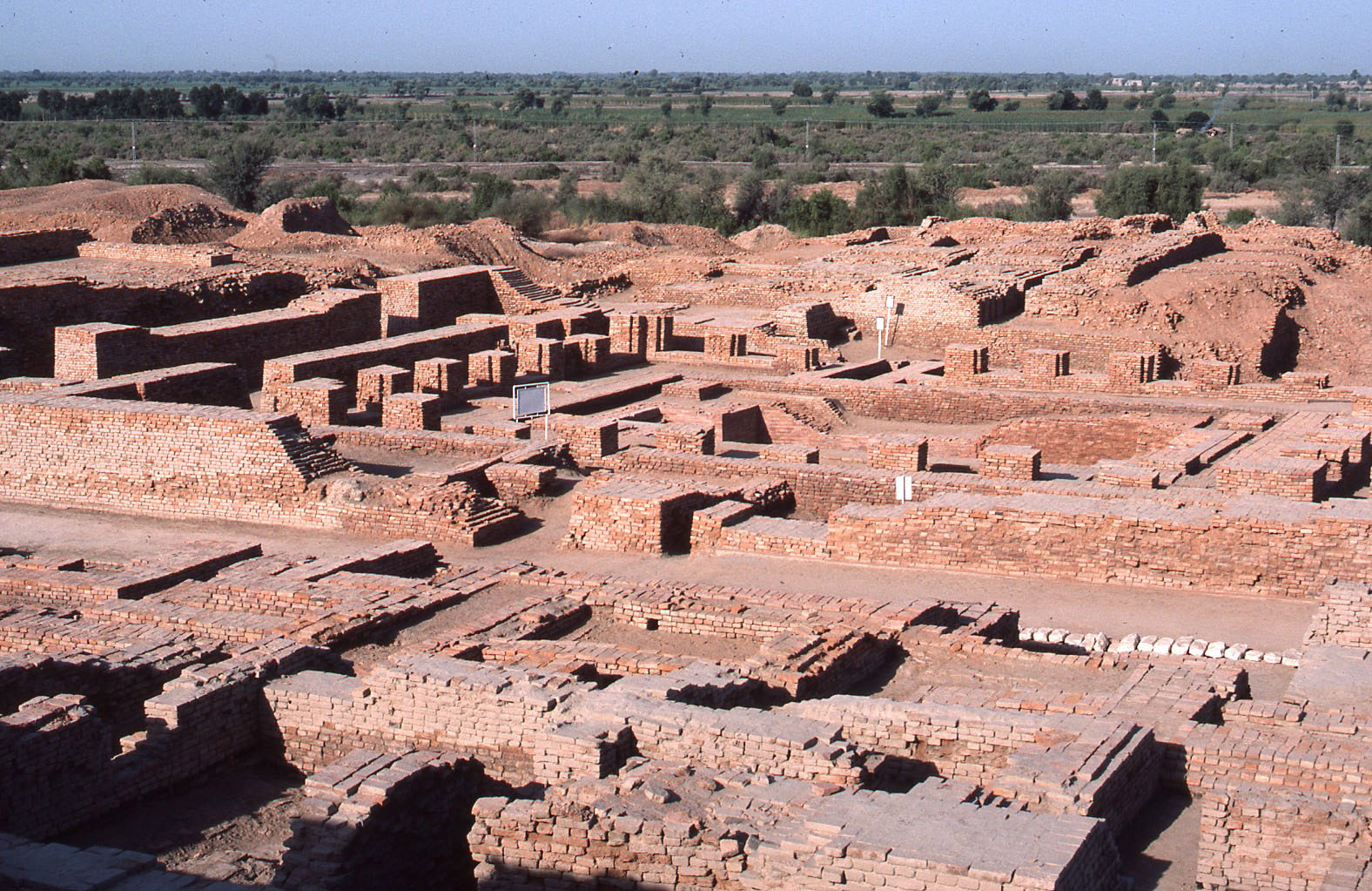
About Rakhigarhi:
- Location:
Rakhigarhi is an archaeological site in Hisar district, Haryana, situated in the Ghaggar-Hakra river plain. - Significance:
It is one of the oldest and largest cities of India’s Harappan Civilization, which is part of the Indus Valley Civilization. - Size:
Rakhigarhi is the largest known Indus Valley site. - Discovery:
The site was discovered by the Archaeological Survey of India in the 1960s.
Key Findings at Rakhigarhi:
- Archaeological Layout:
Seven mounds spread over an area of approximately 350 hectares have been identified. - Occupation Phases:
Evidence points to occupation during the Early and Mature Harappan periods, with abandonment occurring during the Late Harappan period. - Urban Planning:
Excavations reveal a planned township with mud-brick and burnt-brick houses, along with a functional drainage system from the Mature Harappan phase. - Ceramic Industry:
The site yields various ceramics, including dish-on-stand, vase, jar, bowl, beaker, goblet, and perforated jars. - Ritual Practices:
Animal sacrificial pits and triangular and circular fire altars suggest the ritual practices of the Harappans. - Notable Artifacts:
A cylindrical seal with Harappan characters and an alligator symbol is a significant find. Other artifacts include blades, terracotta and shell bangles, semi-precious stone beads, copper objects, animal figurines, and inscribed steatite seals. - Burials:
Excavations have revealed extended burials, likely from a very late stage, possibly medieval times. - DNA Evidence:
Rakhigarhi is known for providing the only DNA evidence from the Harappan era, adding crucial insights into ancient human genetics.