

HEAL THE SYSTEM
CONTEXT:
In the past decade, India has shown greater attention towards its traditional systems of medicine. The country is currently dependent on AYUSH practitioners (Ayurveda, Yoga, Naturopathy, Unani, Siddha, Homeopathy, and Sowa Rigpa) to enhance healthcare coverage. However, certain obstacles are impeding Ayurveda’s full utilization and its ability to contribute to improved healthcare accessibility.

ABOUT:
Improved Doctor-Population Ratio:
- The Union Minister of State for Health and Family Welfare announced that India’s doctor-population ratio stands at 1:834.
- This ratio is better than the World Health Organization’s recommended ratio of 1:1,000.
Assumptions for Achieving the Ratio:
- The ratio was achieved by considering 80 percent availability of registered allopathic doctors (totaling 1.3 million) and 565,000 AYUSH doctors in the country.
Alternative Calculation:
- If only 80 percent of the 1.3 million allopathic doctors were available for a population of 1.24 billion (Census 2011), the doctor-patient ratio would be 1:1,194.
Concerns about AYUSH Practitioners:
- The Centre is placing significant emphasis on AYUSH practitioners, with a majority practicing Ayurveda.
- However, the existing system raises concerns, especially regarding the quality of education provided by AYUSH institutions.
QUESTION OF STANDARD:
Increase in Ayurveda Colleges:
- The National Commission for Indian System of Medicine (NCISM) under the Union Ayush Ministry reported a rise in dedicated Ayurveda colleges in India.
- The number of colleges has increased from 35 in the 1940s to 453 as of May 2022.
- Out of these, 352 colleges are privately operated.
Establishment of Central Council of Indian Medicine (CCIM):
- The Central Council of Indian Medicine was established as a monitoring body in 1970, under the first legislation for traditional medicine systems in India.
Amendments and NCISM Act:
- Over the years, the 1970 law underwent multiple amendments to adapt to changing needs.
- In 2020, the Centre introduced the NCISM Act, which aims to replace the 1970 law.
Document for Minimum Standards:
- In February 2023, the NCISM released a document seeking public opinion for updating the minimum standards in the field of Indian traditional medicine.
ISSUES WITH THE CURRICULUM OF BAMS COURSE IN AYURVEDA:
Duration and Structure:
- The Bachelor of Ayurvedic Medicine and Surgery (BAMS) course is similar to MBBS, lasting five-and-a-half years, including a year-long internship.
- The teachings in BAMS are primarily based on a few ancient texts.
Subjects Taught:
- The BAMS curriculum includes 19 subjects, such as Charak Samhita, Prasuti evam Striroga, Bal Roga, and Rasashastra evam Bhaishajya Kalpana.
- However, subjects like anatomy, physiology, pathology, and detailed pharmacology of herbs are not part of the original texts.
Evolving Knowledge:
- The original Ayurvedic texts have evolved over time, with numerous changes and redactions made to them.
- Some critical aspects of modern medicine, like knowledge of blood formation in the bone marrow, differ from what is taught in Ayurvedic classes.
Lack of Original Texts:
- Most Ayurvedic texts are not available in their original form, contributing to potential misinterpretations and outdated teachings.
Need for Integrating Modern Knowledge:
- Despite the traditional emphasis, it is crucial for Ayurvedic practitioners to have an understanding of modern medical concepts to provide comprehensive healthcare.
Challenges in Patient Access and Skill Development in Ayurveda:
Student-to-Bed Ratio:
- According to the 2016 regulations, Ayurvedic institutes must maintain a student-to-bed ratio of 1:1, along with similar norms for both out- and in-patient departments.
Customisation vs. Standard Protocols:
- Ayurvedic clinical practice emphasizes customization, whereas modern medicine relies on standard operating protocols.
- Balancing these different approaches makes being an Ayurveda clinician a challenging task.
Need for Skill Reinvention:
- To cater to the demands of the current era and society’s needs, the skill set of Ayurvedic practitioners requires reinvention and reintroduction.
- Students need to be equipped with expertise that meets the present and future requirements.
Future-oriented Skill Development:
- Skill development should not only address current needs but also anticipate the requirements of the coming years.
INITIATIVES TO ADDRESS CHALLENGES IN AYURVEDA:
National Ayush Mission (2014):
- The Ayush Ministry launched the National Ayush Mission in 2014 to tackle the aforementioned obstacles, focusing on strengthening educational systems.
- This mission has been extended until 2026.
Kerala’s Ayush Policy (2016):
- Kerala implemented an Ayush Policy in 2016, with the objective of elevating Ayush colleges to “premium quality” status.
- The policy aims to promote academic and clinical research through a centralized facility.
Uttarakhand’s Ayush Policy (2018):
- Uttarakhand also recognized the need for improvement in Ayurvedic education in its Ayush Policy of 2018.
- The state outlined steps to upgrade medical education institutes and establish a robust regulatory framework to ensure standardized quality education.
Expanded Prescriptive Privileges:
- Several states, including Maharashtra, Punjab, Tamil Nadu, Assam, Himachal Pradesh, Gujarat, Bihar, and Uttar Pradesh, have granted Ayush practitioners the ability to prescribe modern medicine.
WATERED DOWN
CONTEXT:
While many states have initiated efforts to revive their small rivers in recent times, the progress made so far is not deemed satisfactory.
ISSUES WITH INDIA’S RIVER REVIVAL EFFORTS:
Focus on Major Rivers:
- Previous river cleanup drives in India mainly concentrated on major rivers, neglecting the impact of small rivers that eventually merge with the major ones, causing pollution.
Widening the Focus:
- Since 2019, the approach has shifted to include small rivers and tributaries in the revival programs, acknowledging their significance in overall river health.
Multiple Revival Schemes:
- Alongside flagship initiatives like Namami Gange and the National River Conservation Plan, various other programs such as Swachh Bharat Mission and Smart Cities Mission have components dedicated to addressing river pollution.
State-Level Initiatives:
- Currently, all states are engaged in revival and restoration drives for small rivers in four states, aiming to evaluate progress and identify challenges in these initiatives.
RIVER REVIVAL STATUS IN UTTAR PRADESH:
Claimed Revival:
- In July 2022, the Uttar Pradesh state government asserted that it had revived 60 rivers over the past five years.
Discrepancy with Reality:
- Contrary to the claim, the reality paints a different picture. One of the 60 rivers, Gomti, is reported as the fifth most polluted river in the country according to the 2022 CPCB report.
Vulnerable Cleaned Rivers:
- Even the rivers that were supposedly cleaned remain susceptible to pollution. Aami, flowing through four districts, underwent cleanup this year following protests and intervention by the National Green Tribunal.
Misclassified River:
- The Sarayan river in Lakhimpur Kheri district is officially categorized as a nullah in government records.
- However, satellite images revealed that it is, in fact, a 249 km long tributary of Gomti, exposing discrepancies in river classification.
Bihar:
- In 2020, the East Champaran district undertook a river restoration project on an 80-kilometer segment of the Dhanauti river, a tributary of Burhi Gandak. The initiative involved investing more than ₹3 crore to desilt the riverbed and launch plantation drives.
Madhya Pradesh:
- Under the Namami Gange program, the state has selected 12 districts for river restoration efforts. However, as of now, no river rejuvenation projects have been initiated.
- Madhya Pradesh has not taken any action regarding the implementation of mandatory common effluent treatment plants in industrial areas.
KERALA’S RIVER REJUVENATION EFFORTS:
Haritha Keralam Mission:
- Kerala has a commendable track record of rejuvenating small rivers through its Haritha Keralam Mission.
- The mission utilizes funds from the Mahatma Gandhi National Rural Employment Guarantee Act (MGNREGA) for the restoration works.
Flagship Project – Pamba and Manimala River Linking:
- One of the prominent projects under the Haritha Kerala Mission involves connecting the Pamba and Manimala rivers through an artificial channel.
- However, the channel remains clogged for a significant part of the year, posing challenges to its success.
Comprehensive Cleaning:
- To ensure effective rejuvenation, Kerala emphasizes cleaning midland stretches and streams from their sources to the points where they flow into the sea or backwaters.
- This comprehensive approach aims to address the issues at various stages of the river’s course.
MORE GIVE THAN TAKE IN SECRET TRADE DEALS
CONTEXT:
The lack of transparency in India’s trade negotiations with the EU and the UK leaves citizens unaware of the deals’ direct impact on them. The negotiations are being expedited for the mutual benefit of both parties, creating a difficult challenge for Indian negotiators. They must carefully consider the advantages of concessions while safeguarding their domestic industries and citizens from potential harm.
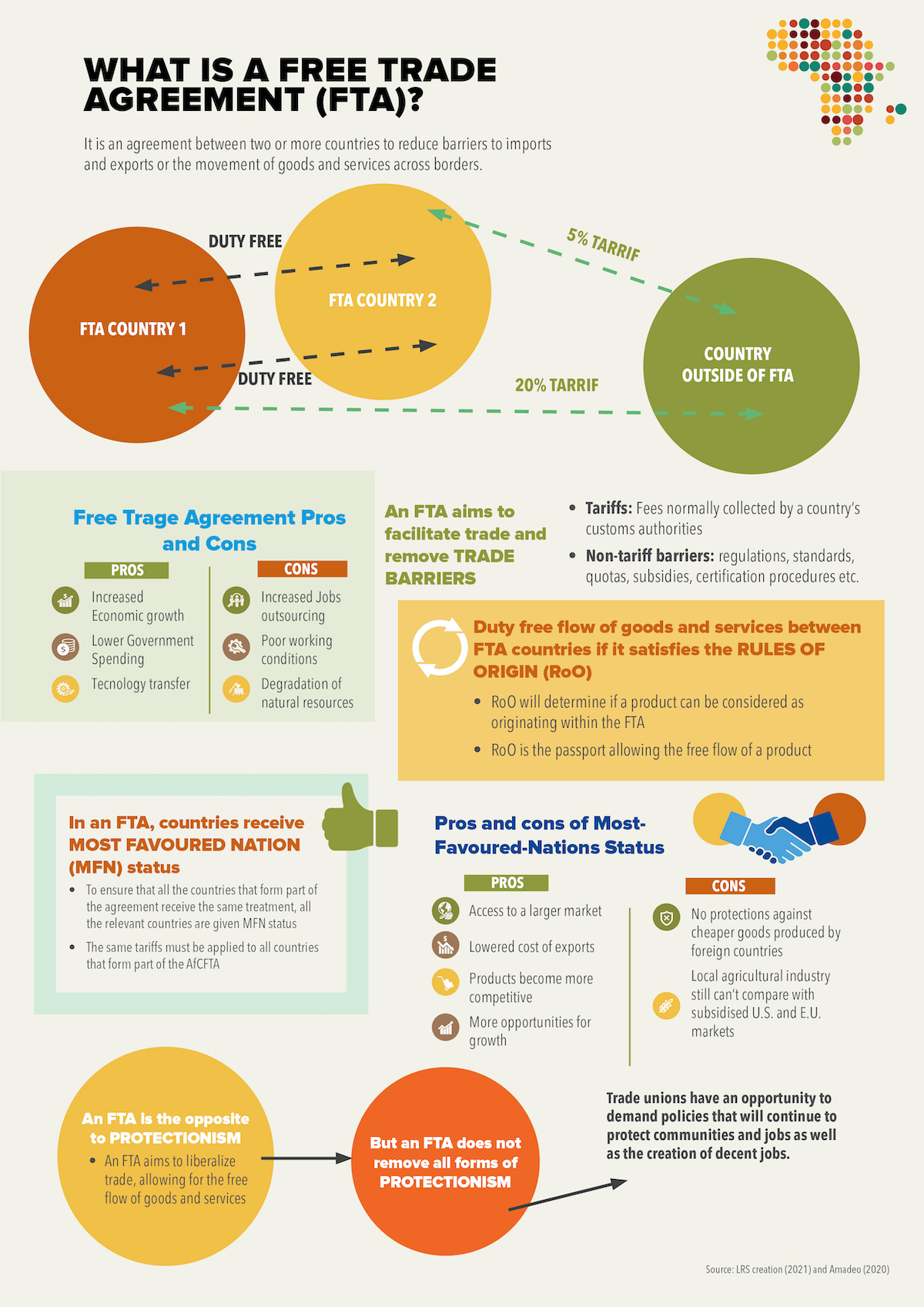
CHALLENGES IN TRADE AGREEMENTS:
Comprehensive FTAs:
- Free Trade Agreements (FTAs) facilitate the exchange of goods and services across borders with minimal government restrictions.
- Developed countries often exploit FTAs to demand greater concessions from developing nations, particularly concerning Intellectual Property Rights (IPRs).
Impact of CBAM:
- The European Commission’s Carbon Border Adjustment Mechanism (CBAM) will affect India’s metal exports to the EU, with potential implications for more products in the future.
- The EU views CBAM as a significant tool to combat climate change by pricing carbon emissions in carbon-intensive goods entering the EU, promoting cleaner production in non-EU countries.
Differing Perspectives:
- CBAM has faced criticism from other nations, with some considering it coercive and punitive in nature.
- BASIC countries, including Brazil, South Africa, India, and China, contend that CBAM violates UNFCCC principles and the spirit of the Paris Agreement, denouncing it as a unilateral proposal for imposing trade barriers.
IMPACTS ON INDIA:
Trading Partnership:
- The European Union (EU) holds the position of India’s third-largest trading partner.
- India’s exports to the EU account for 14% of its total exports, while India’s imports from the EU constitute 2% of the EU’s exports.
Metal Sector Impact:
- CBAM’s implementation is expected to have a significant impact on India’s metal sector.
- An analyst estimates that 27% of India’s iron, steel, and aluminium exports worth US $8.2 billion go to the EU, making this sector vulnerable to the effects of CBAM.
Protecting Generic Drug Industry:
- India is determined to safeguard its generic drug industry and public healthcare programs that heavily rely on affordable generic medicines.
- The demand for regulatory data protection and patent extension is a matter of concern and has been under negotiation with the EU for the past decade.
COOL SOLUTIONS
CONTEXT:
By promoting contextual cooling mechanisms, India has the potential to considerably decrease the energy consumption in its building and construction sector.
ABOUT:
The Building and Construction Sector:
- The building and construction sector in India has a significant impact on energy consumption and contributes to the country’s carbon footprint.
- NITI Aayog’s estimation reveals that approximately 65% of India’s energy demand is attributed to space cooling and heating.
- The Union Ministry of Environment, Forest and Climate Change predicts an alarming 11-fold increase in cooling demand in buildings by 2037-38 compared to the baseline in 2017-18.
The Cooling Action Plan (ICAP):
- In response to the concerning trend, India took proactive measures by introducing the Cooling Action Plan (ICAP) in 2019, becoming one of the pioneering countries in this regard.
- The ICAP outlines the potential for a 20% reduction in cooling load by 2037-38, which can be achieved through the adoption of climate-appropriate building envelopes.
- Additionally, the ICAP suggests an extra 30% reduction in cooling energy consumption, attainable by implementing improvements in cooling equipment efficiency and adopting better servicing and operation practices.
POTENTIAL COOLING SOLUTIONS:
For households:
- Achieving thermal comfort in households relies on balancing heating and cooling, considering factors like humidity and air velocity.
- For example, using ceiling fans can effectively blow away heat generated by equipment or human bodies without actually reducing the air temperature.
- Desert coolers, besides providing cooling, also introduce humidity, making them especially useful during hot and dry months.
For large-scale spaces:
- Cooling solutions for large spaces need to be energy-efficient and adaptable to varying contexts and climates.
- One promising approach is tapping into the earth’s natural cooling potential, as the temperature below the Earth’s surface remains relatively constant throughout the year.
- Earth air tunnels offer an effective cooling method without adding humidity. In this process, air travels through underground tunnels for approximately 100 meters before entering indoor spaces. During the start of the summer season, this technology can reduce the air temperature by 10-12°C.
Other cooling techniques for large spaces include:
- Passive downdraft cooling: This process involves directing hot ambient air to enter from a central column fitted with water sprinklers, creating a mist at the top of the tower that helps cool the air.
- Evaporative cooling: It entails passing hot air through a medium saturated with water, causing the air to transfer heat to the water and turn into vapor. This results in cool and moist air, providing thermal comfort.
- Cooling Sans Humidifying or Indirect evaporative cooling: This indirect evaporative cooling system cools the incoming air stream using water-carrying pipes. The air does not directly touch the water but interacts with the pipes containing it, exchanging heat without acquiring any moisture.
WAY AHEAD:
- Addressing Extreme Humidity: While the previously mentioned cooling technologies work well for large spaces, they may not adequately provide thermal comfort in regions with extremely humid weather. In such challenging conditions, a different approach is needed.
- Implementing Desiccant-based Systems: One solution is to filter ambient air through a desiccant, which is a substance capable of absorbing moisture. This process helps remove excess humidity from the air, improving the overall cooling efficiency.
Nalanda University’s Implementation: Nalanda University in Bihar is already pioneering such a system. They are using a desiccant-based evaporative cooler that dehumidifies the air with the assistance of excess or renewable heat. After dehumidification, the air can then be effectively cooled using evaporative cooling.