

Carbon Capture: A Costly Solution to Climate Change?
Context:
Carbon capture and sequestration (CCS) is being considered as a way to mitigate global warming by removing CO2 from the atmosphere. However, recent studies suggest that CCS could be far more expensive than transitioning to renewable energy sources like wind and solar power.
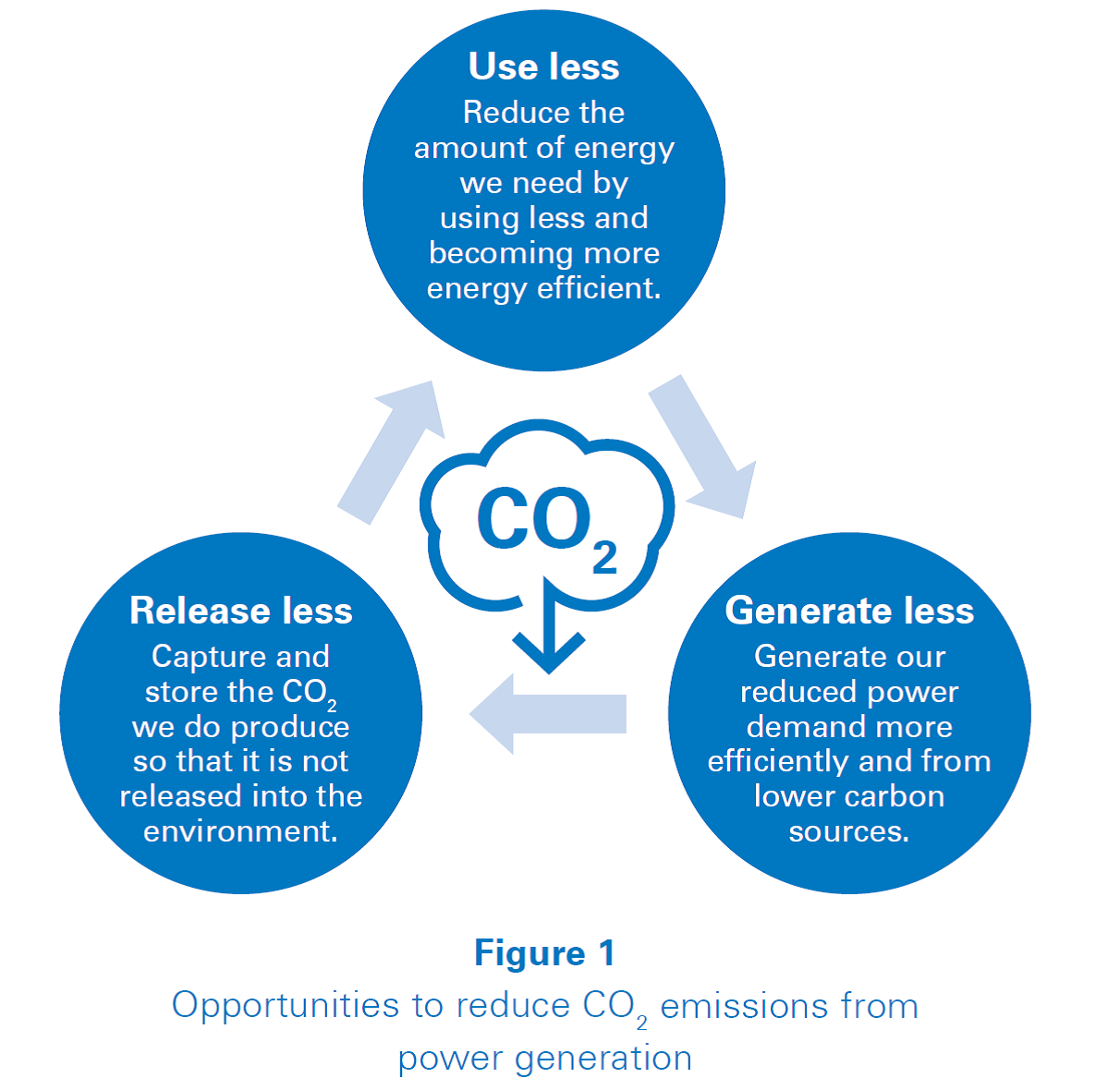
What is Carbon Capture and Sequestration (CCS)?
- Technology Overview: CCS involves capturing CO2 emissions from sources like power plant chimneys or directly from the atmosphere, converting it into a different form, and storing it in sealed containers.
- Role in Climate Change Mitigation: CCS technology is seen as a potential solution to reduce CO2 emissions and combat global warming, bridging both adaptation and mitigation efforts.
Challenges and Controversy Around CCS
- Effectiveness Concerns: Critics argue that CCS may create a “false sense of security,” allowing industries to continue polluting by removing CO2 from the atmosphere rather than reducing emissions at the source.
- High Costs: Recent studies have highlighted the significant costs involved in deploying CCS technologies, raising concerns over its practicality as a widespread solution.
Study Findings on CCS vs. Renewable Energy
- Economic Comparison: A study published on February 9 in Environmental Science & Technology found that the cost of deploying CCS in 149 countries would be 9-12 times higher than switching to wind, water, and solar power for CO2 emission reduction.
- Long-term Viability: The research suggests that shifting to renewable energy might be a more cost-effective and sustainable approach to mitigating climate change than relying on CCS technologies.
Conclusion
While carbon capture may offer a short-term solution to reducing atmospheric CO2, the substantial costs and potential risks of over-reliance on this technology call into question its long-term effectiveness. Transitioning to renewable energy sources presents a more affordable and sustainable alternative, highlighting the need for a comprehensive strategy to combat climate change.
Stubble Burning’s Limited Contribution to PM2.5 in Delhi-NCR: Study Findings
Context:
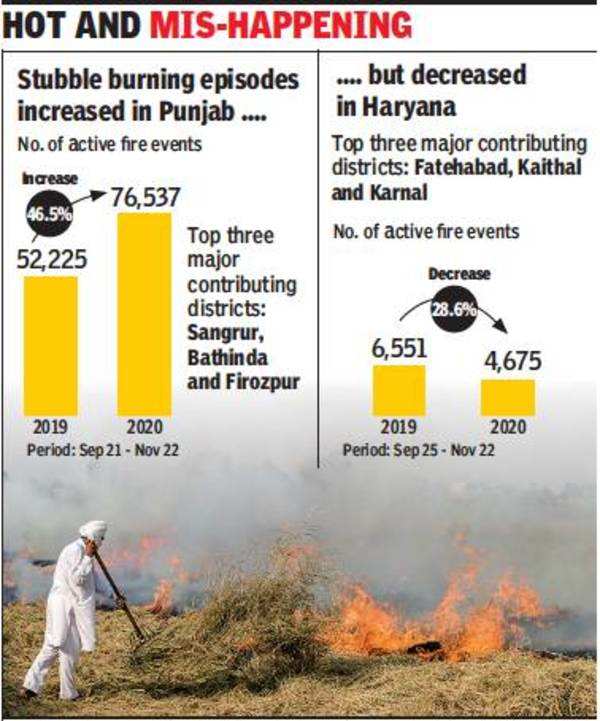
A recent study published in January 2025 has highlighted that stubble burning in Punjab and Haryana contributes only about 14% of the PM2.5 in Delhi-NCR. Despite a decline in stubble-burning events, PM2.5 concentrations have remained high, suggesting other significant contributors to air pollution in the region.
Key Findings of the Study
- Contribution of Stubble Burning: The study concluded that stubble burning in Punjab and Haryana contributes only 14% to the PM2.5 levels in Delhi-NCR. The research challenges the commonly held belief that crop residue burning is the primary source of particulate matter in the region.
- No Direct Link to PM2.5 Levels: The study found no linear correlation between the number of stubble-burning events and the variations in PM2.5 concentration in Delhi-NCR. Despite a decline in stubble-burning incidents by over 50% from 2015 to 2023, the PM2.5 levels remained consistently high.
Factors Affecting PM2.5 Concentration
- Meteorological Influence: Wind patterns, temperature inversions, and stagnant air conditions play a crucial role in pollutant dispersion. When dispersion conditions are unfavorable, such as low wind speeds or temperature inversions, pollutants accumulate and persist in the air.
- Other Pollution Sources: The study suggests that local emissions, including from the transport sector, industries, and construction activities, significantly contribute to the high PM2.5 levels. This is evident from the day-night variations in CO concentrations, which are higher at night, indicating emissions from local sources rather than stubble burning.
Data Analysis and Findings
- Sensor Network Data:
A network of 30 sensors in Delhi-NCR, Punjab, and Haryana tracked PM2.5 and CO concentrations. The data showed persistent PM2.5 levels in Delhi at night, which correlated with local emissions. If stubble burning was the major source, CO levels would have remained constant throughout the day and night. - Night-Time Pollution:
PM2.5 and CO concentrations were consistently higher during the night in Delhi-NCR, suggesting local pollution sources. In contrast, stubble burning in Punjab and Haryana primarily contributes to daytime pollution during the harvest season (October-November).
Conclusion:
The study emphasizes that while stubble burning in Punjab and Haryana does contribute to air pollution, it is not the primary factor behind the persistent high PM2.5 levels in Delhi-NCR. Local pollution sources, particularly from the transport sector, industries, and construction activities, play a more significant role in the region’s air quality problems.
Loggerhead Turtles Navigate Using Earth’s Magnetic Field: New Study Reveals
Context:
A groundbreaking study has revealed that loggerhead sea turtles use the Earth’s magnetic field for long-distance navigation, relying on two distinct geomagnetic senses to guide their migrations. This discovery sheds light on how migratory species, including sea turtles, may be using Earth’s magnetic signatures to return to familiar feeding grounds.

Key Findings of the Study
- Magnetic Map and Compass: The study presents evidence that loggerhead turtles can create a “magnetic map” of geographical areas, distinguishing between different magnetic signatures. This ability enables them to remember the magnetic fields of feeding locations and navigate accordingly. Turtles use two different geomagnetic senses—one for creating a magnetic map and the other for compass-like orientation during migration.
- Conditioned Responses: Juvenile sea turtles were housed in tanks where magnetic fields, corresponding to specific geographical locations, were recreated. The turtles were fed only in one of the fields. When they returned to the area associated with feeding, they exhibited a unique “turtle dance,” a behavior that suggests they had learned to associate that magnetic field with food. This conditioned response provides strong evidence of their ability to learn and remember magnetic fields.
Magnetoreception Mechanisms
- Magnetic Map Sense: The study highlights that the turtles’ magnetic map sense operates independently from their magnetic compass sense. The magnetic map helps them recognize and remember the magnetic “signature” of a location, while the compass sense aids in determining direction during their migratory journeys.
- Effect of Radiofrequency Fields: When the researchers exposed the turtles to radiofrequency oscillating magnetic fields, which were expected to disrupt a known mechanism of magnetoreception, the magnetic map sense remained unaffected. This contrasted with the magnetic compass sense, which was disrupted by the same treatment. This finding supports the idea that sea turtles utilize two separate mechanisms for magnetic navigation.
Conclusion:
The study provides compelling evidence that loggerhead turtles possess two distinct geomagnetic systems—one for creating a magnetic map and another for compass-like orientation—allowing them to navigate over long distances with remarkable accuracy. This dual navigation system offers new insights into the complex migratory behavior of sea turtles and other species that rely on Earth’s magnetic field for orientation.
Sex Work Drives Mpox Clade Ib Outbreak in the Democratic Republic of the Congo
Context:
A study published in Nature Medicine highlights the significant role of sex work in driving the mpox clade Ib outbreak in the Democratic Republic of the Congo (DRC). The research indicates that 83.4% of the outbreak cases are linked to sexual activity with professional sex workers, especially within densely populated areas, marking the spread of the virus through heterosexual transmission in bars.

Key Findings of the Study
- Sex Work as a Primary Driver: Genomic and epidemiologic data reveal that 83.4% of the 670 mpox cases in the study period were linked to sexual contact with professional sex workers, particularly in bars. This transmission model underscores the role of sex work in the rapid spread of the virus in urbanized and densely populated regions.
- Demographics of the Outbreak: Of the 670 cases admitted to Kamituga hospital, 52.4% were females, and 47.6% were males. A significant proportion (15.5%) of suspected cases were children under 16 years, with the majority aged between 15 and 24 years. Notably, the outbreak primarily impacted young adults, with a higher incidence among women.
- Impact on Pregnant Women and Fetal Loss: The study observed that 57.1% of the 14 pregnant women hospitalized due to mpox experienced fetal loss, including miscarriages in the first and second trimesters. Some cases exhibited visual lesions in fetuses, and a placenta tested positive for the virus, indicating potential vertical transmission.
Genomic and Epidemiological Insights
- Virus Strain and Transmission: The outbreak is linked to mpox clade 1b, a highly transmissible and virulent strain. The first case of the outbreak, reported on September 29, 2023, was associated with a visit to a bar, confirming sexual exposure as the primary mode of transmission in the region.
- Surge in Cases and Ongoing Transmission: As of January 5, 2025, more than 9,500 confirmed mpox cases have been reported, with a case fatality rate of 3.4%. The outbreak, which started in South Kivu, continues to spread, with a notable surge in cases since its inception in late 2023.
Conclusion:
The DRC’s mpox outbreak is characterized by its link to sexual activity within bars, with sex work playing a central role in the virus’s rapid spread. The involvement of both male and female sex workers highlights the need for targeted public health interventions in high-risk settings, especially considering the impact on women, including pregnant individuals. The ongoing nature of the outbreak, along with the more virulent clade 1b, calls for continued surveillance and response efforts to control the transmission and mitigate further public health consequences.
Mechanisms Behind Bacterial Resistance to Antibiotics
Context:
The overuse of antibiotics has led to the emergence of drug-resistant bacteria, resulting in a significant global health concern. In 2021, antimicrobial resistance caused 1.2 million deaths, and India faces a high mortality rate of 13% for infections caused by resistant bacteria. Understanding how bacteria resist antibiotics is crucial for developing new treatment strategies.
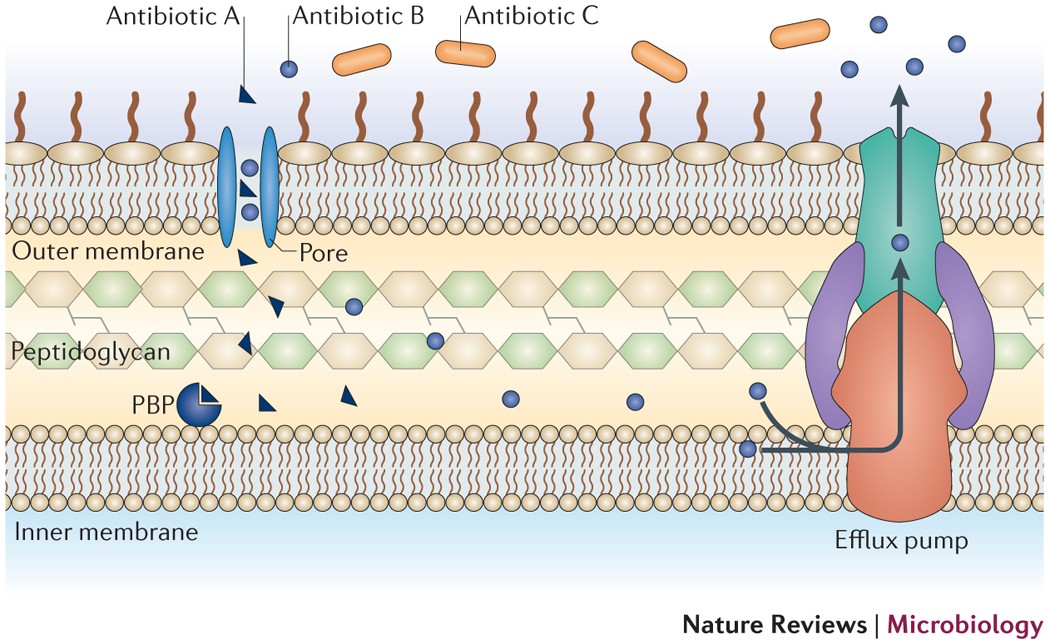
How Bacteria Resist Antibiotics
1. Unique Bacterial Cell Walls
- Bacterial cells have a distinctive cell wall made of peptidoglycan, which is not present in human cells.
- The cell wall consists of sugar molecules (NAG and NAM) and short peptides that crosslink to form a mesh-like structure.
- This structure is an important target for antibiotics like penicillin, which disrupts the crosslinking, causing the bacterial cell to burst.
2. Evolution of Antibiotic Resistance
- Bacteria have developed resistance to antibiotics by producing enzymes like penicillinase that break down antibiotics.
- They also modify their cell wall targets, making antibiotics ineffective.
3. Bacterial Cell Division and Wall Synthesis
- Bacteria need to synthesize new cell wall material for cell division.
- Enzymes like endopeptidases and lytic transglycosylases (LTs) work together to uncouple and break bonds in the existing cell wall, allowing for growth and division.
4. Adaptive Mechanisms in Bacteria
- Bacteria have evolved complex mechanisms to maintain cell wall integrity while dividing.
- For example, bacteria can produce excess LTs (chain-cutting enzymes) when the crosslink-cutting enzymes are unavailable, ensuring survival and continued division.
5. Implications for Antibiotic Development
- The study of bacterial mechanisms, such as those researched by Dr. Manjula Reddy’s team at the Centre for Cellular and Molecular Biology, helps scientists understand bacterial survival strategies.
- These insights are crucial for developing new antibiotics and treatment approaches to combat antibiotic resistance.
Conclusion
Bacterial resistance to antibiotics is a complex and evolving challenge, driven by the unique properties of bacterial cell walls and adaptive mechanisms. Ongoing research into bacterial cell division and resistance mechanisms offers hope for developing more effective treatments to counter antibiotic-resistant infections.