

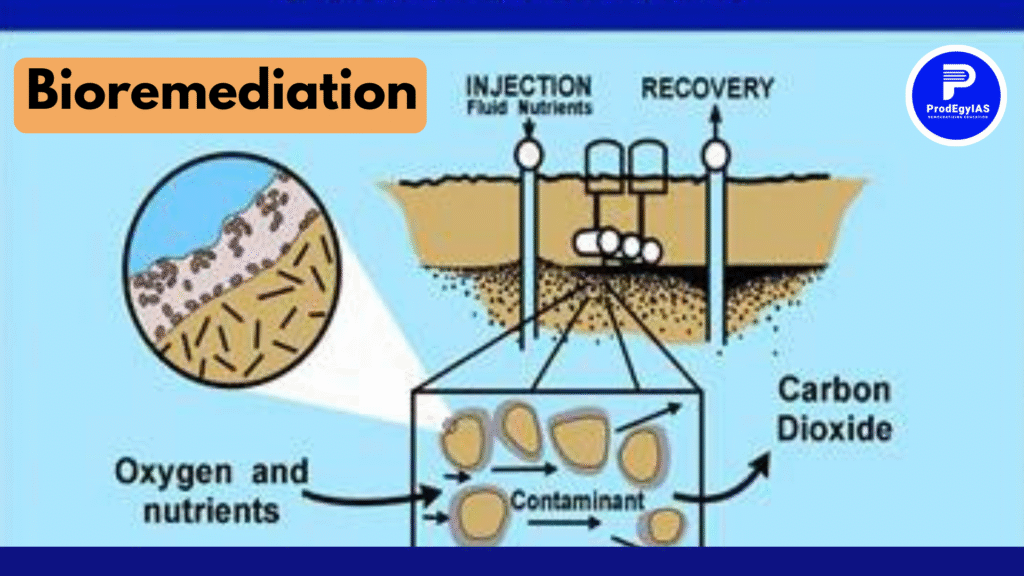
Bioremediation has emerged as one of the most sustainable and cost-effective solutions for India’s growing pollution crisis. As landfills overflow, rivers turn toxic, and industrial contaminants spread across ecosystems, bioremediation offers a nature-based alternative for environmental recovery.
What is Bioremediation?
Bioremediation is the process of using microorganisms, fungi, plants, or enzymes to break down harmful pollutants into less toxic or non-toxic forms.
It relies on naturally occurring biological processes to clean contaminated soil, water, and air.
Why Bioremediation Matters for India
India faces massive environmental burdens due to:
- Rapid urbanisation and industrialisation
- Heavy metal contamination from tanneries, electroplating units, and chemical industries
- Oil spills and hydrocarbon waste from ports and refineries
- Sewage contamination in rivers such as Ganga and Yamuna
- Unscientific solid-waste disposal at large landfills
Bioremediation offers a low-cost and scalable approach compared to conventional chemical treatments.
Types of Bioremediation Used in India
- Microbial bioremediation: Bacteria such as Pseudomonas and Bacillus degrade oil, hydrocarbons, and organic toxins.
- Phytoremediation: Plants like vetiver, water hyacinth, and sunflowers absorb heavy metals and pollutants from soil and lakes.
- Mycoremediation: Fungi break down complex organic waste, including pesticides and dyes.
- Bioaugmentation: Introducing specialised microorganisms into contaminated sites for faster degradation.
- Bioventing & biosparging: Supplying oxygen into soil or groundwater to boost microbial activity.
Key Bioremediation Projects in India
- Ganga Rejuvenation Mission: Microbial consortia deployed to treat sewage and reduce organic pollutants.
- Bellandur Lake, Bengaluru: Phytoremediation using floating wetlands and microbial dosing to reduce frothing and toxic foam.
- Oil spill clean-up in Mumbai and Chennai ports: Marine bacteria used to degrade hydrocarbons.
- Ghaziabad & Kanpur tannery belts: Trials of microbial treatments for chromium contamination.
These projects highlight growing governmental and scientific interest in nature-led clean-up approaches.
Benefits of Bioremediation
- Eco-friendly and non-invasive
- Cost-effective compared to chemical treatment or excavation
- Reduces secondary pollution
- Suitable for large-scale contaminated sites
- Enhances soil fertility and water quality
Challenges and Limitations
- Slow process depending on climate, temperature, and microbial growth
- Not suitable for extremely toxic or mixed contaminants
- Requires continuous monitoring and scientific expertise
- Limited awareness among pollution board officials and industries
In conclusion
Bioremediation represents a powerful, sustainable path to restoring India’s damaged ecosystems. With increasing scientific innovation, strong policy support, and integration into national clean-up missions, India can scale bioremediation as a mainstream environmental solution. As pollution intensifies, nature-based remediation stands out as a timely and essential strategy for ecological recovery and long-term sustainability.
UPSC General Studies Paper Preparation
| Topic | |
| UPSC Syllabus | UPSC Free Notes |
| UPSC Optional Subjects | Khushhali Solanki (AIR 61, UPSC CSE 2023) |
Public Administration Optional Exam Preparation
Topic | |
About the Author: Jyoti Verma