

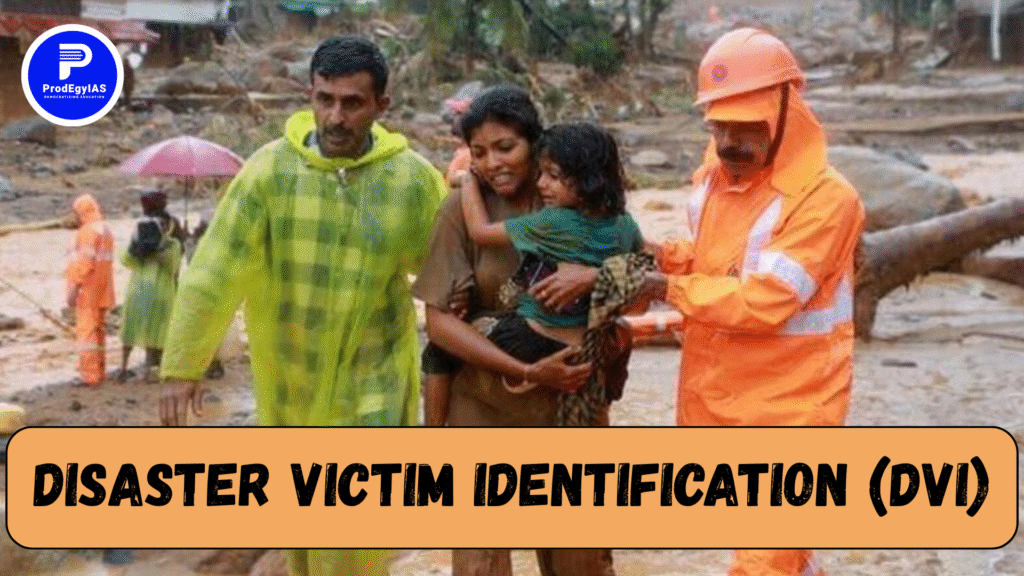
The National Disaster Management Authority has made a move by creating a set of rules to follow when identifying people who have died in disasters. This is a step forward for India because it will help us treat people with respect and make sure their rights are protected, even in really tough situations.
The National Disaster Management Authority rules will help fix problems that have been around, for a time like figuring out who the victims are when a lot of people are affected by a disaster. The Disaster Victim Identification process is what the National Disaster Management Authority is focusing on.
So you are wondering why the DVI Standard Operating Procedure was needed. The DVI Standard Operating Procedure was needed because it helps people to do things in a way.
- The DVI Standard Operating Procedure is very important for DVI.
- It makes sure that everyone who works with DVI does things the way.
- This helps to avoid mistakes and confusion when people are working with DVI.
- The DVI Standard Operating Procedure was needed to make things easier, for people who use DVI.
- It is a set of rules that people must follow when they are working with DVI.
- The DVI Standard Operating Procedure is used to help people to work with DVI in an effective way.
- The main reason the DVI Standard Operating Procedure was needed is to help people to use DVI correctly.
In India past disasters showed us that there are some problems. One of the problems is that it takes too long to identify the people who have died. The different agencies that are supposed to be helping do not work very well. This causes a lot of distress for the families of the victims.
When everyone is not following the rules it can lead to mistakes and legal issues. This can make the whole process take a long time and cause even more trauma for the families.
The Standard Operating Procedure or SOP is supposed to make sure that the process of identifying victims is done in an respectful way. The SOP wants to make sure that the process of identifying the victims of disasters, in India is done correctly and with dignity so the victim identification process is. Credible.
Key Features of the SOP
- Adoption of scientific identification methods including fingerprints, dental records, DNA profiling, and personal effects
- Clear roles and coordination mechanisms among police, forensic experts, health authorities, and disaster response agencies
- Emphasis on data integrity, documentation, and chain of custody
- Sensitivity towards human dignity, cultural practices, and family consent
Governance and Administrative Significance
The Standard Operating Procedure is really about changing the way we do things. We are moving from helping people when something bad happens to making sure they get what they deserve. This is what many countries are doing. It is based on the Sendai Framework. The Standard Operating Procedure makes sure that the people in charge are ready for disasters. It also makes sure that everyone does their job and that different groups work together. The Standard Operating Procedure is important, for disaster governance.
NDMA’s DVI SOP is a landmark reform that humanises disaster response while enhancing administrative efficiency. By prioritising dignity, accuracy, and transparency, it strengthens India’s disaster management framework and public trust in institutions.
UPSC General Studies Paper Preparation
Public Administration Optional Exam Preparation
Topic | |
About the Author: Jyoti Verma