

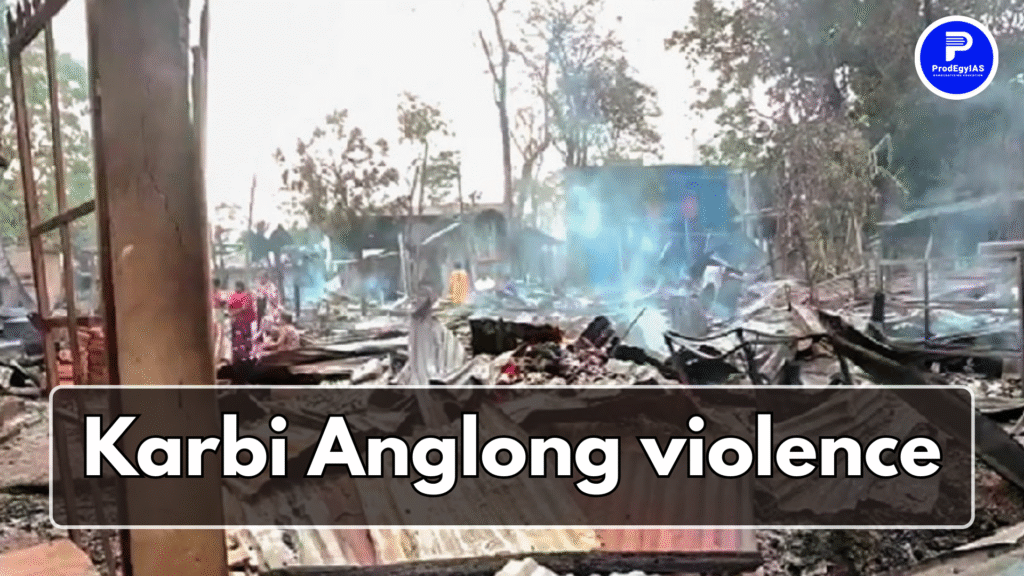
The violence that happened recently in the Karbi Anglong district of Assam is a problem. It shows us again how land rights and ethnic identity and autonomy are all connected in a way in the Northeast of India. Karbi Anglong is an area because it is under the Sixth Schedule. This means it is a sensitive place when it comes to how it is governed. Here old grievances and changes in the population and pressure to develop the area all come together. The Karbi Anglong district is facing a lot of issues because of this. Land rights in Karbi Anglong and ethnic identity, in Karbi Anglong are very important. The autonomy of Karbi Anglong is also an issue.
Land Rights and Indigenous Concerns
The land in Karbi Anglong is very important to the communities, especially the Karbis. It means a lot to them in terms of culture, money and feelings. For a time the Karbis have had their own way of owning land, which has helped them control what happens to it.. Now many people are moving into the area and companies want to use the land for business. The government also wants to develop the area, which is making the Karbis worried that they will lose their land. This is causing a lot of tension and the Karbis are fighting against people they think are taking over their land. This is a reason why there is so much conflict between different ethnic groups in the area. The land in Karbi Anglong is still very important, to the Karbis. They want to make sure they can keep control over it.
Role of the Sixth Schedule and Autonomous Governance
The Constitution has something called the Sixth Schedule that helps the Autonomous District Councils or ADCs for short to protect the interests of people. The Karbi Anglong Autonomous Council, which is also known as the KAAC has the power to make laws about land and forests and the customs of the people who live there.. Even with these rules in place the KAAC does not have enough power to really govern itself because the state government also has a say in what happens. The KAAC also does not have money to make its own decisions, which means that the people who live in Karbi Anglong do not really get to govern themselves even though that is what the Sixth Schedule is supposed to allow. The Autonomous District Councils, like the Karbi Anglong Autonomous Council are still not able to make all of their decisions, which is not what the Constitution intended for the ADCs.
Ethnic Tensions and Developmental Fault Lines
Ethnic tensions are getting worse because some areas are not developing fast as others. When they build roads or mines or use land for businesses they often do not ask the people who live there what they think. This makes people feel like they are not being included. Sometimes people use the fact that different groups have their identities to get what they want and this can be taken advantage of by people who want to cause trouble. The fact that some groups want control over their own lives and are not getting it is also a problem. Ethnic tensions and mistrust, between communities are made worse by these things. Ethnic tensions are an issue and they need to be addressed.
Governance Challenges and Way Forward
The Karbi Anglong violence shows that we cannot just rely on the police and courts to solve our problems. We need to make the Autonomous District Councils stronger by giving them money to make their own decisions training their staff and being open about what they do. The Karbi Anglong violence is a reminder that we need to protect the land rights of the people and make sure that everyone benefits from development projects. This can help reduce the things that cause conflict, in the Karbi Anglong violence.
Sustainable peace in Karbi Anglong depends on harmonising Sixth Schedule autonomy, land rights protection, and equitable development. Effective implementation of constitutional safeguards, combined with dialogue-based conflict resolution, is vital to address the roots of ethnic tensions and ensure long-term stability.
UPSC General Studies Paper Preparation
| Topic | |
| UPSC Syllabus | UPSC Free Notes |
| UPSC Optional Subjects | Khushhali Solanki (AIR 61, UPSC CSE 2023) |
Public Administration Optional Exam Preparation
Topic | |
About the Author: Jyoti Verma